Some questions

This post is of a different style – instead of discussing some issue, I’m using this forum to outline briefly three subjects that touched me over the past week.  And, while each subject area merits a more in depth treatment, I’ve boiled down prospective discussions to simple questions.

College choice:

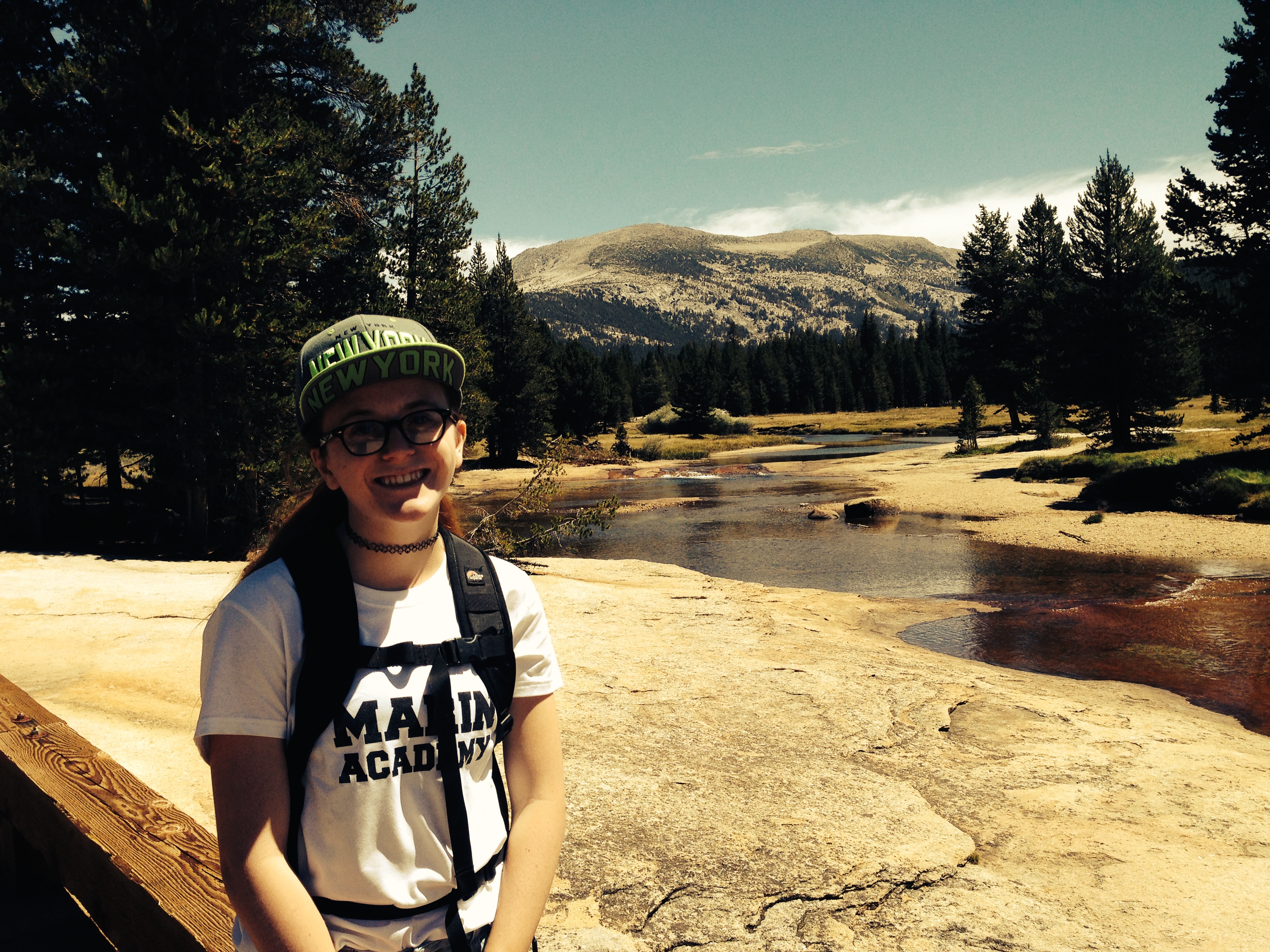
On a day hike last week with a high school junior in Yosemite’s Tuolumne Meadows, we discussed college choices and her criteria (colder climate, good English dept., caring community, etc.).  She wants to make the best choice but doesn’t yet have a structured

Easy to smile a lot when it's a beautiful day & you're in Yosemite's great Tuolumne Meadows.

Easy to smile a lot when it’s a beautiful day & you’re in Yosemite’s great Tuolumne Meadows.

approach to making that choice.  Is there one?  I wonder….In my own case, I remember being uncertain and also not having any particularly rational approach to picking a school.  The deciding factor was a childhood & high school teammate who was a freshman at Princeton and said “If you get into Princeton*, you’re crazy to go anywhere else.”  That sealed it.

*which I had by then


Question #1: Is there an accepted best practices approach for a high school student to select a college?

Place names:

Later in the day of that Yosemite hike, I continued by car east through the park to Mono Lake, a large subject of its own, and then headed south on US #395, an especially scenic drive.  The next day I took another day hike, this one from the Rock Creek trailhead (off

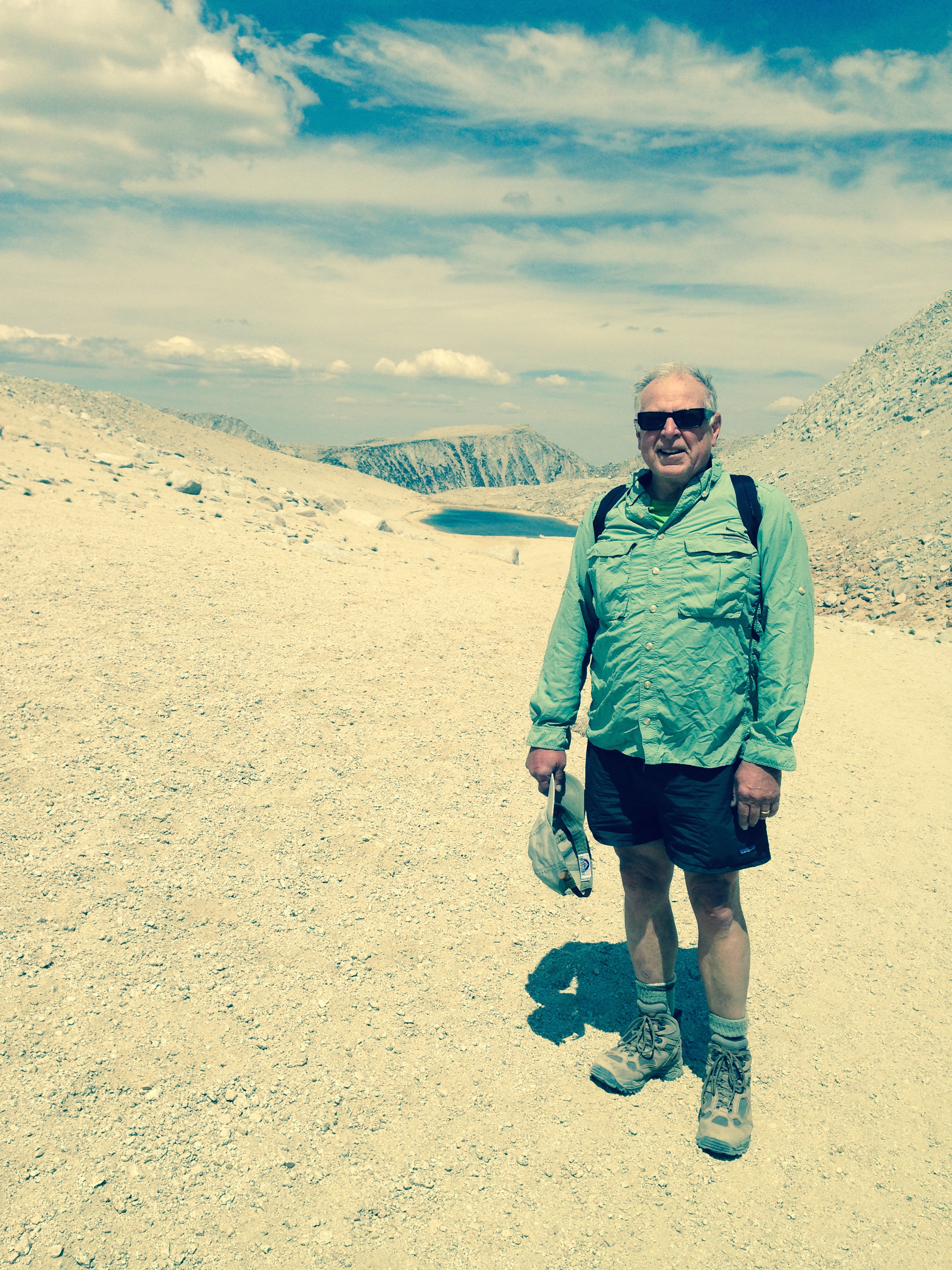
Author on the more southerly Mono Pass. In the background is Summit Lake.

Author on the more southerly Mono Pass. In the background is Summit Lake.

U.S. 395 near Toms Place) into the John Muir Wilderness and up to Mono Pass, about 3miles in and 2000 ft. of elevation gain…However, there is another Mono Pass nearby – it’s on the eastern border of  Yosemite about 50 miles north.  They each have a “Summit Lake” and can be reached by the “Mono Pass Trail.”  Suffice it to say, two passes identically named and not too far apart can be confusing.

Question #2: How did it happen that there are two Sierra Nevada mountain passes named Mono Pass?


Unintended consequences:

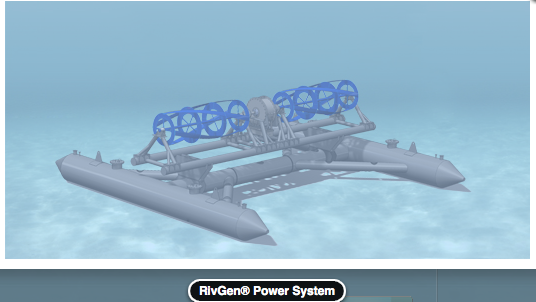
Finally, in planning for an upcoming vacation in New England, I learned of a growing alternative energy company headquartered in Portland, Maine, Ocean Renewable Power Company.  In September, 2012, it began suppling ocean tide-originated power to the Maine power grid.  In May of this year it broke “ground” in Alaska for a river-based energy plant along the lines of the artist’s drawing below along with the press release.


RivGen® Power System by ORPC.co of Portland, Maine

RivGen® Power System
by ORPC.co of Portland, Maine

Question #3:  To what extent will the growing “renewable energy” niche of energy produced by moving water (rivers, tides, & waves) have adverse environmental effects?  (Same question applies to wind & solar energy deployments).  

Pointers to one or more well thought out a discussions of any of the above questions are welcome!


Posted in Best Practices, Outdoors, Saltwater, Sierra Nevada, Terrestrial | Tagged , , | Leave a comment

San Francisco Bay Needs You (v2)*

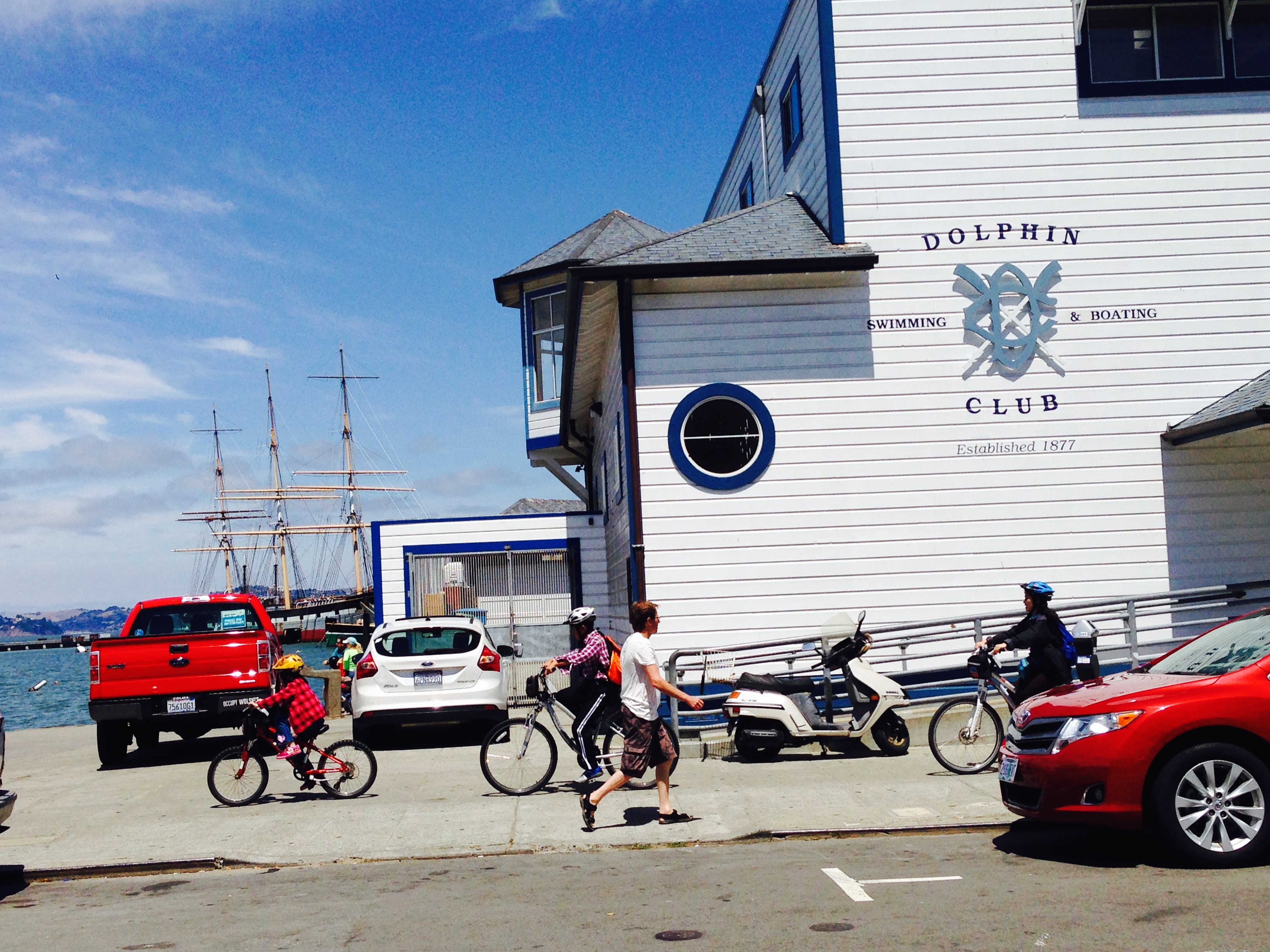
*Those who know me realize how much I value the the Dolphin Swimming and Boating Club, its members and the cultural institution it is, and my frequent swims in San Francisco Bay. This post is an adaptation of an article published in the Spring, 1995 issue of the Dolphin Club’s magazine, The Log.  More on the Club and the Log are at this post’s end.


Delphinidae family members are attuned to their environment, and we human Dolphins are certainly no different. Our interactions with the waters of San Francisco Bay result in the familiar locker room talk of tides, water temperature, clarity, chop, flotsdam, etc.

Fundamentally, Bay water conditions depend on the ocean waters that come and go with the tides and the amount and quality of the freshwater flows from the streams and rivers that terminate in the Bay. Over the years, flows into the Bay have been significantly reduced in order to address the needs of agribusiness and other interests. Additionally, San Francisco Bay is continuously exposed to degradation by oil spills, runoff, illegal discharges, dredging, dumping, etc. Finally, development projects proximate to the Bay present additional hazards.

Simply stated, California’s growth and urbanization have impacted the Bay and remain a constant threat to the Bay and its health. For the Bay to have any chance of reasonable health, concerned citizens need to be involved. Dolphin Club members experience the Bay firsthand and appreciate that a healthy Bay is both a recreational and cultural resource.

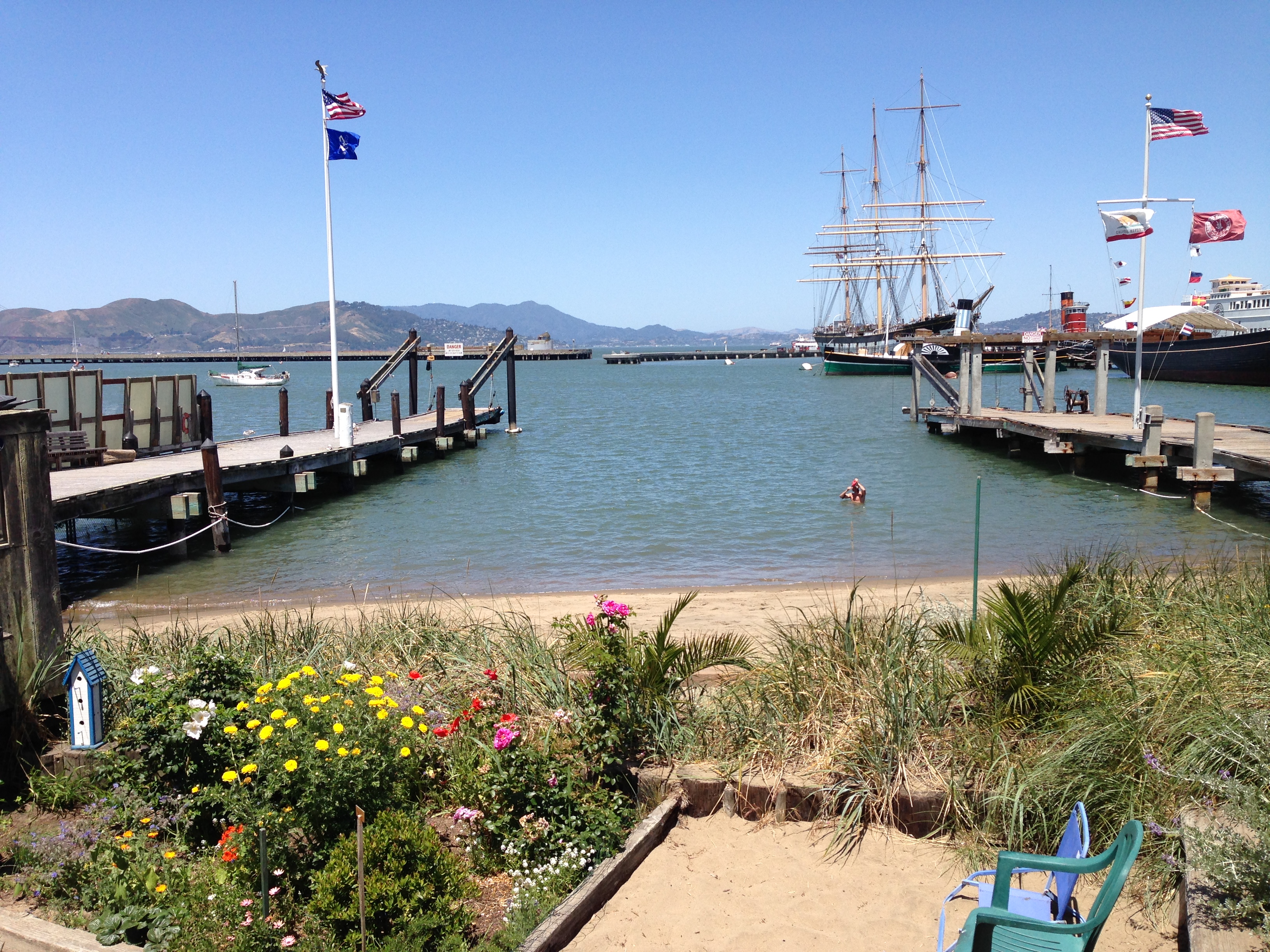
Looking out to the beach & beyond from the Club's traditional weight room.

Looking out to the beach & beyond from the Club’s traditional weight room.

Since Dolphins place great value on a healthy Bay, it follows that Dolphins should be involved with or otherwise support efforts on behalf of the Bay !

A good forum for your involvement could be as a volunteer for a non-profit organization that targets Bay water quality issues. There are many that have efforts underway, ranging from national organizations like the Sierra Club to more narrowly focused efforts like the San Francisco BayKeeper. Beyond the objective of looking out for your swimming and boating experiences and our Club’s interests, there can be personal satisfaction from one’s involvement in community, environmental, or other charitable endeavors.

In the interest of encouraging your participation in the issues that may imperil San Francisco Bay, following is a table of selected local non-profit organizations. Your energy and skills would be greatly appreciated by any organization listed. And you will indeed feel better when you participate in the process of helping San Francisco Bay be healthy and hospitable to all forms of aquatic life !

Aquarium of the Bay “… partners with The Bay Institute to protect, restore and inspire the conservation of San Francisco Bay and its watershed, from the Sierra to the sea.”
Baykeeper “Since 1989, Baykeeper has advocated for the health of San Francisco Bay. We use science and clean water laws to improve habitats and communities reliant on a thriving Bay ecosystem.”
California Academy of Sciences “…is a world-class scientific and cultural institution based in San Francisco…recently opened a new facility in Golden Gate Park, a 400,000 square foot structure that houses an aquarium, a planetarium a natural history museum and a 4-story rainforest …(and is)home to the Academy’s staff of world-class scientists, an education department that provides a wide range of student and teacher services, and an extensive science library with nearly 46 million specimens and artifacts.Founded in 1853, the academy was the first scientific institution in the Western US.
Center for Oceanic Awareness, Research, and Education (COARE) “…is a tax-exempt nonprofit organization based in the San Francisco Bay Area. Its purpose is to study our oceans and increase public awareness of the earth’s marine environment through educational programs and outreach….COARE seeks to enlighten people, young and old, to the plight of the oceans, to change the way they think and act, and to encourage them to create positive and lasting change. COARE helps people find meaningful ways to make a difference in their daily lives.”
Coral Reef Alliance “Working with people around the world—from fishermen to government leaders, divers to scientists, Californians to Fijians—the Coral Reef Alliance protects our most valuable and threatened ecosystem. We lead holistic conservation programs that improve coral reef health and resilience and are replicated across the globe.”
Farallones Marine Sanctuary Association the “non-profit organization dedicated to protecting the Gulf of the Farallones National Marine Sanctuary’s wildlife and habitats through the development of a diverse community of informed and active ocean stewards. We collaborate closely with the Sanctuary staff and coordinate and sponsor programming and initiatives that ensure the Sanctuary is protected. From education to research and volunteer programming, we work to build a concerned and aware public network to promote this goal.”
Institute for Fisheries Resources “Established in 1993 by the Pacific Coast Federation of Fishermen’s Associations (PCFFA), IFR is responsible for carrying out the fishery research and conservation needs of working fishing men and women. Initially, IFR helped fishermen in California and the Pacific Northwest address salmon protection and restoration issues, with particular focus on dam, water diversion, and forestry concerns. Since 1998, IFR’s range of programs has greatly expanded to encompass conservation projects and policy debates at the regional, national, and international levels.”
San Francisco Estuary Institute “Promoting scientific study in order to protect and enhance the bay.”
San Francisco Maritime National Park Association “For more than 60 years, (we have) worked to bring maritime history to life for visitors to the San Francisco Bay Area…the Association has played an integral role over the past four decades in the development of Victorian Park and Hyde Street Pier as historical sites…the area became a distinct National Historical Park in 1989.  Today, the Association supports San Francisco Maritime National Historical Park and independently operates the World War II submarine museum and memorial USS Pampanito.”
Save San Francisco Bay Association, Inc. “the largest regional organization working to protect, restore and celebrate San Francisco Bay since 1961.   Save The Bay engages more than 50,000 supporters, advocates, and volunteers…”
The Bay Institute “the leader in protecting and restoring the entire watershed which drains into San Francisco Bay.  For nearly 30 years, we have been developing and leading model scientific research, education and advocacy programs to preserve this watershed…”

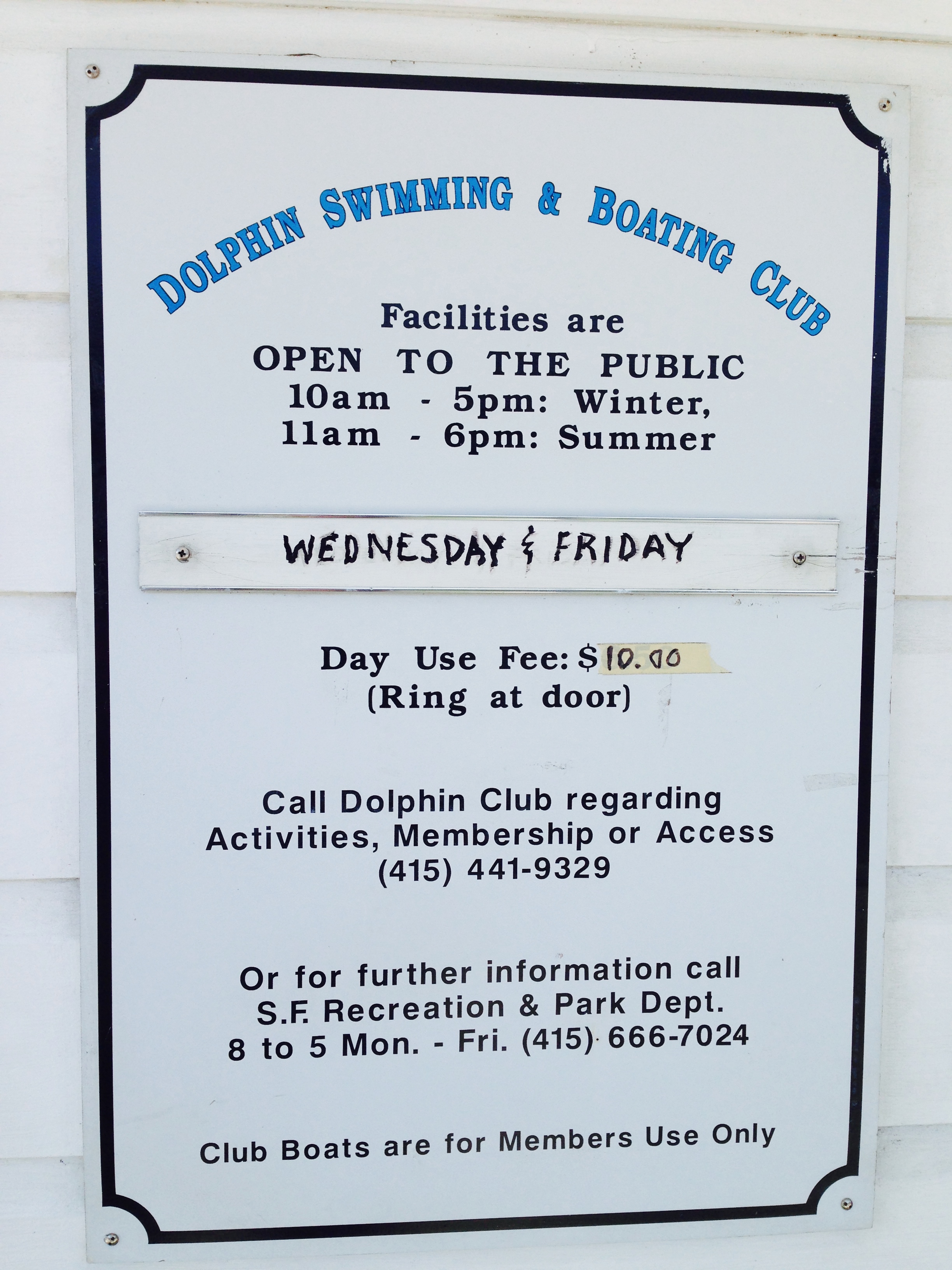
Note #1: The Dolphin Club is at 502 Jefferson in San Francisco.  It, along with its next door neighbor, the South End Rowing Club, are public membership clubs that offer their

Facts on the general public use of the club.  Click to expand & feel free to contact me with any questions.

Facts on the general public use of the club. Click to expand & feel free to contact me with any questions.

facilities to non members of the general public on alternating days (Tues-Sat) for a per diem fee of $10/person.  Each club has facilities (locker rooms, showers, saunas) that

enable one to easily access and enjoy the waters of San Francisco Bay.

Note #2: To access an archive of the Dolphin Club’s Log magazine from 1949 to present, click on Archive.org.


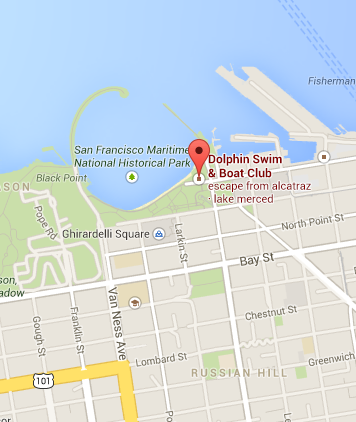
Club is located in Fisherman's Wharf.

Club is located in Fisherman’s Wharf.

Posted in Non-profits, Saltwater, San Francisco | Leave a comment

Rock & Roll Museum, Cleveland

Introductory note:

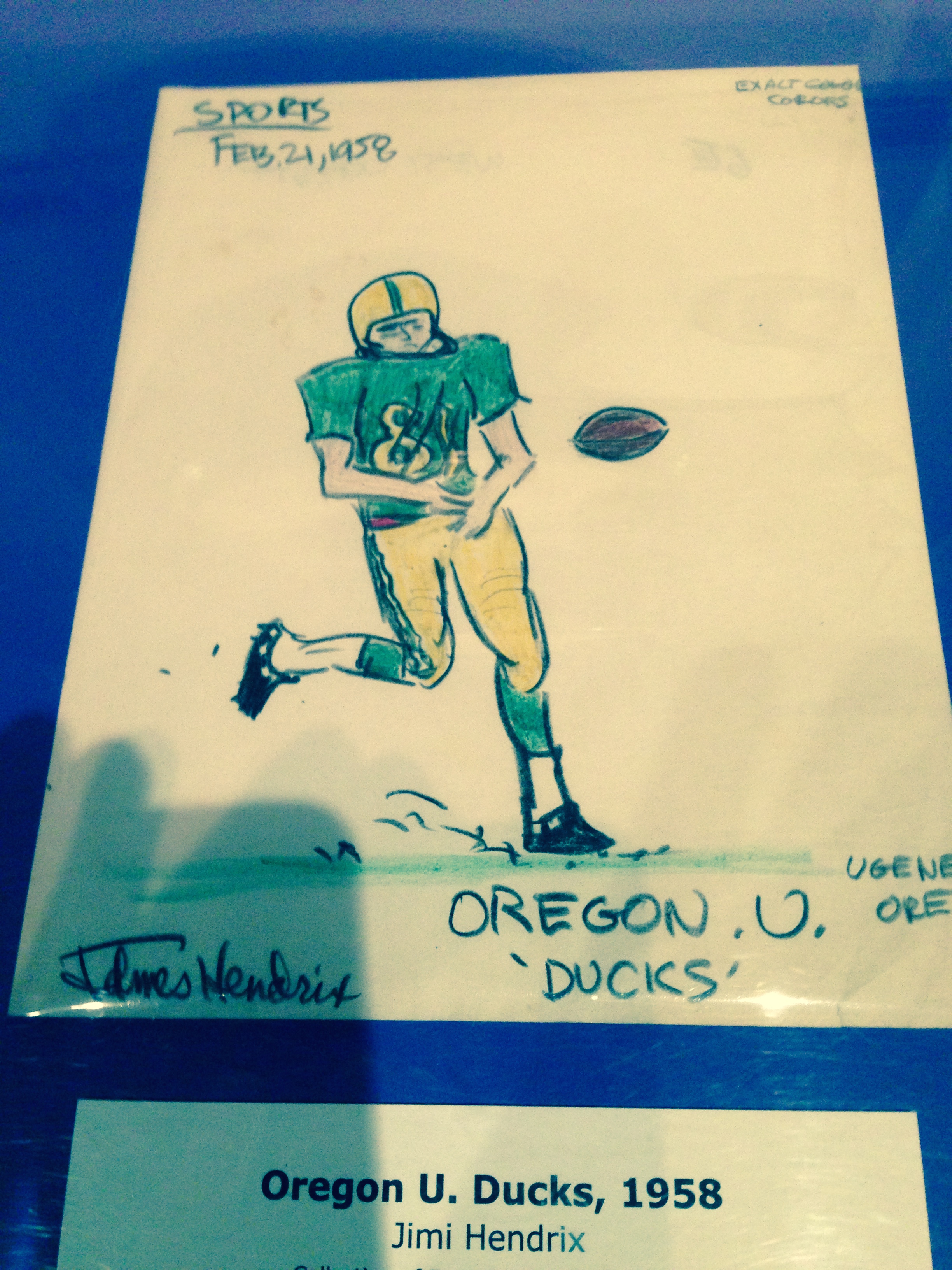
Beginning 4 decades ago, several University of Oregon grads, “Ducks,” have been highly valued friends.  Four of them, the totally awesome, mountain climbing “Sharks” have invited me to join them in the High Sierra for wonderful expeditions.  In the City, Susan partied with, married, and was the lifelong partner of a one of my Little League teammates.  And Sandy, who worked in the record distribution business for over a decade, is widely known as one whose love and knowledge of contemporary music (that is to say, rock & roll) is unsurpassed…When I was in Cleveland 10 days ago on the phone with him, raving about the Rock & Roll Museum and urging him to get it on his calendar, he asked for a full report…of which this post is the beginning.

Dear Sandy (aka Skeieman),

I’ve been to the Rock & Roll Museum & Hall of Fame at least 4 times since it opened in 1995 (including last year and this) and I’ve got to tell you, it has been getting better and better and is now truly outstanding. Given your close attachment to the subject and its personalities, I really encourage you to make visiting a high priority.

Early on the museum had a few iconic items, photos, costumes, and various ephemera. But the place felt dead and as a visitor I recall thinking “one and done.”

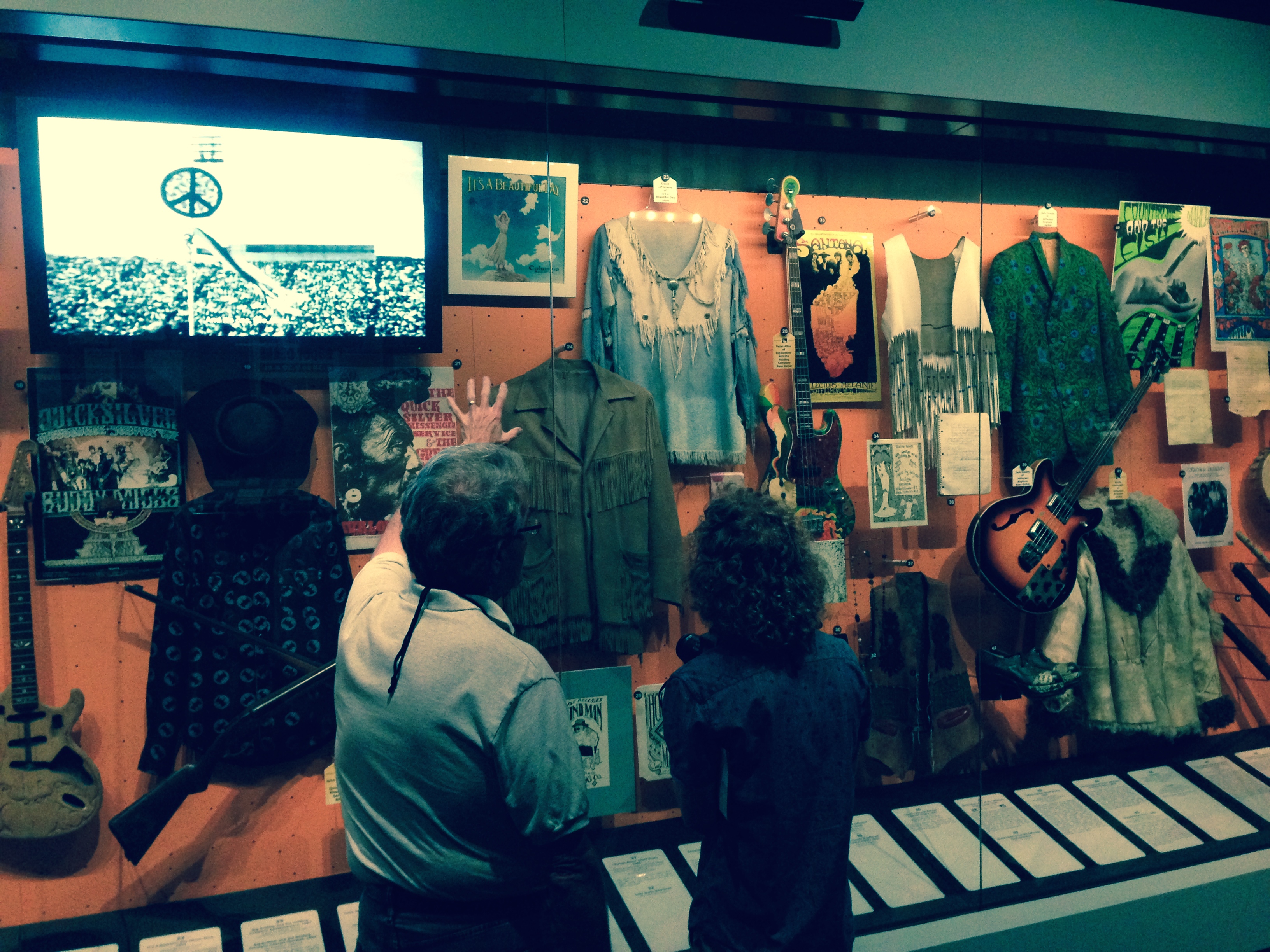
But I’ve gone back – now 19 years old, the place has really taken flight. Legends’ instruments, costumes, more and better personal property, historic song notes, etc. are all well displayed. Some exhibits are thematically around the artist, some are around a key city (SF, LA, Detroit, Memphis), some are by article, costumes for example.

Portion of San Francisco late 60's exhibit

Portion of San Francisco late 60’s exhibit

A real improvement from early on is the addition of much “high tech” equipment such as video monitors playing archival footage of the times and the artists and interactive jukeboxes for custom-tailored entertainment.

The Museum is more and more about R & R’s place in history, as a barometer as well as an influencer. This is adding depth to the stories told there.
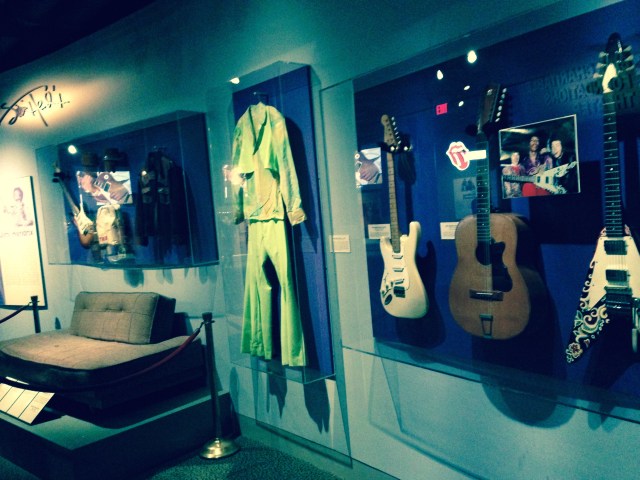
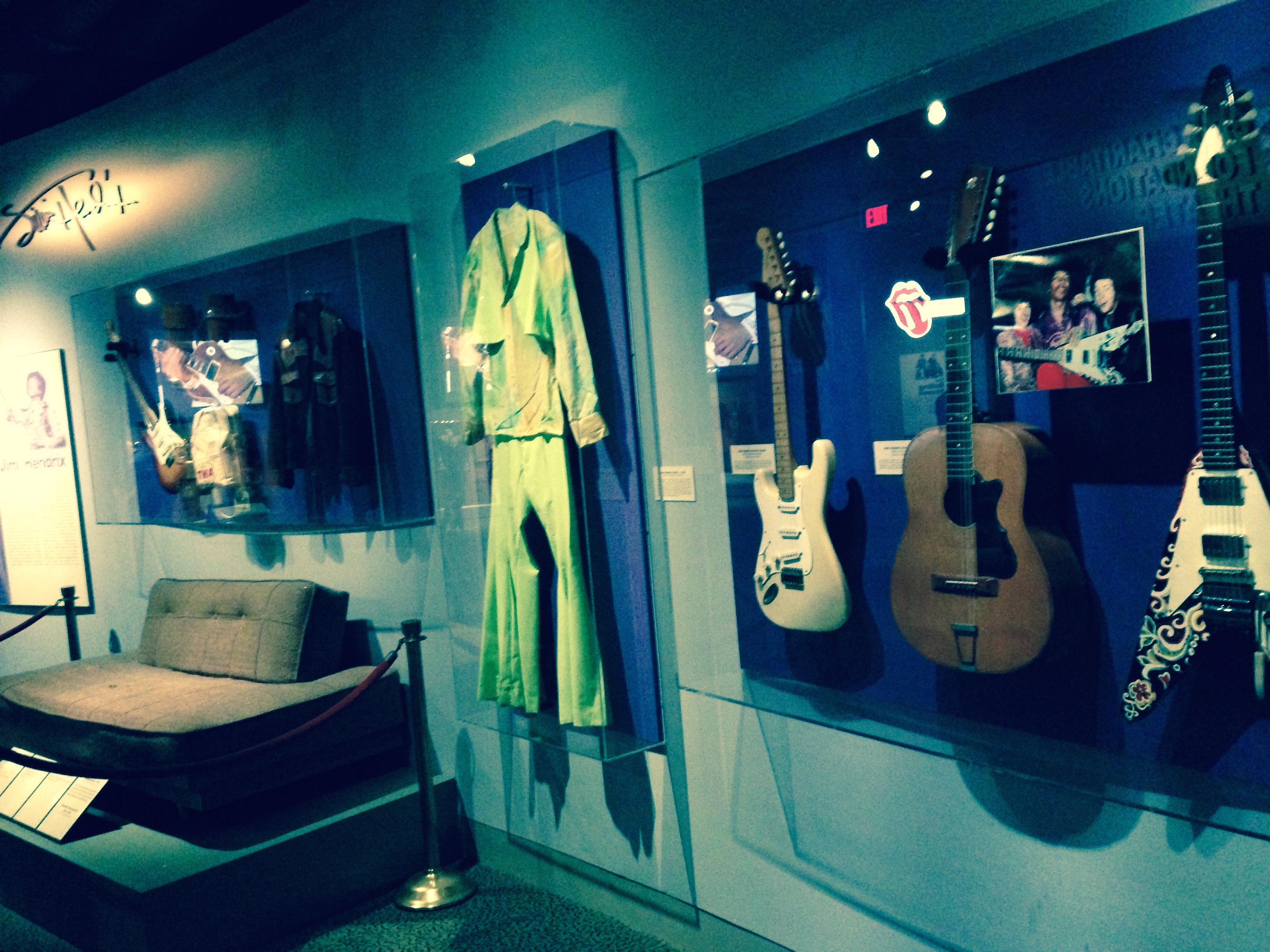
Jimi Hendrix exhibit, portion, including guitars, costumes, couch from home.
Jimi Hendrix exhibit, portion, including guitars, costumes, couch from home.

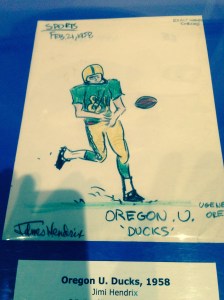
Oregon Ducks drawing by Jimi Hendrix, 1958

Oregon Ducks drawing by Jimi Hendrix, 1958

I can only scratch the surface in this report. There is so much to tell, see, and hear.  For a start, the website at RockHall.org has a very large offering of content that you’ll enjoy.

Knowing you, I surmise you’ll like the museum so much, that you’ll be making another trip or two to Cleveland!

Your friend,

Krist


P.S. Here are some miscellaneous facts (you may already know) and FAQs on the museum:

It’s pretty much the brainchild of industry pillar, Ahmet Ertegun, who in the early 1980’s began talking with record industry types about recognizing important artists.   A non-profit was formed and the first Induction Ceremony was in NYC in 1986.   When word got out that the Foundation was planning a physical presence in NY, civic leaders in Cleveland began to make a pitch for the museum to be located in Cleveland, which in fact was selected in 1986. (This story of an entrepreneurial public-private partnership is quite well told at http://www.rockhall.org/story-of-rock/video-series/video/1179/).

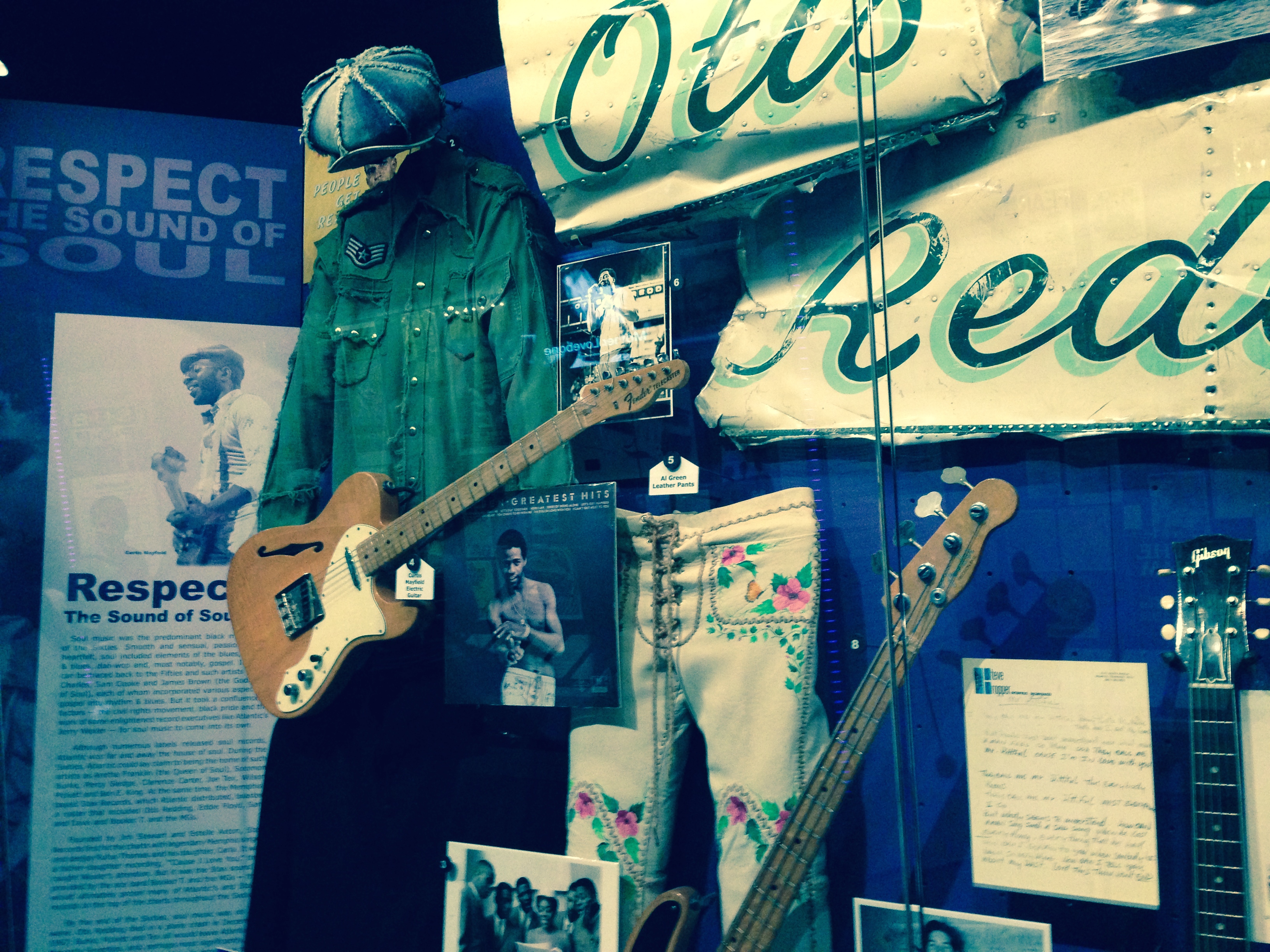
Otis Redding exhibit and plane wing portion

Otis Redding exhibit and plane wing portion

Why Cleveland?
From RockHall.org: “Cleveland’s claim on the Museum is born of both rock and roll history and a strong sense old civic pride. Besides being the place where Alan Freed popularized the term Rock and Roll with his pioneering radio show and groundbreaking early rock and roll concerts, Cleveland has served as a springboard to success for rock artists as diverse as Chuck Berry (who made his first public appearance here) to David Bowie (who made his U.S. debut here) to Elvis Presley (who played his first concert north of the Mason-Dixon line in Cleveland)…

When the idea for a Museum to house the Rock and Roll Hall of Fame first came about, Cleveland leaders were among the first and most enthusiastic in lobbying Hall of Fame officials to bring the Museum to Cleveland. The city overwhelmingly beat all rivals in a USA Today poll, earning more than 100,000 votes over its nearest rival.

In addition, 660,000 people signed petitions to bring the Museum to Cleveland. The city’s civic and business leaders worked together to provide the necessary financial support to make the Museum not only a reality, but also a stunning showcase for rock and roll’s history.”

Building facts:
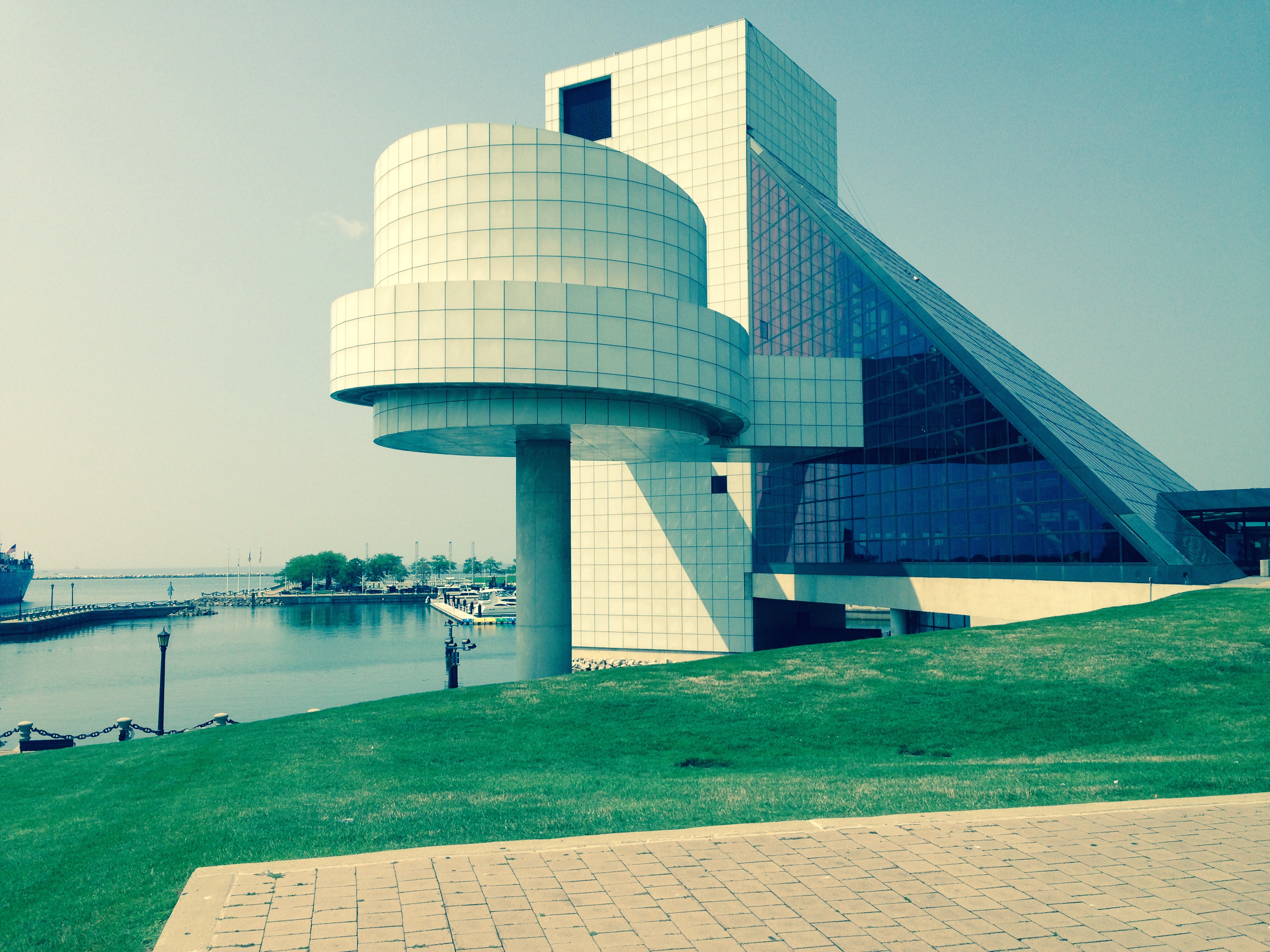
Designed by I.M. Pei.
Completed 1995, opened to public on September 2nd.
150,000 square feet including 55,000 of exhibit space.

From RockHall.org: “In designing this building,” says Pei, “it was my intention to echo the energy of rock and roll.  I have consciously used an architectural vocabulary that is bold and new, and I hope the building will become a dramatic landmark for the city of Cleveland and for fans of rock and roll around the world.”

Rock Hall on Cleveland's Lake Erie Waterfront

Rock Hall on Cleveland’s Lake Erie Waterfront

In 2012, in a nearby location, the Museum opened its Library and Archives, “the most comprehensive repository of materials relating to the history of rock and roll.  Its mission is to collect, preserve, and provide access to these resources for scholars, educators, students, journalists, and the general public in order to broaden awareness and understanding of rock and roll, its roots, and its impact on our society.”

From RockHall.org:

q: Why is it important to study rock and roll?
 Rock and roll music is one the most pervasive – and accessible – art forms in Western Culture. In fact, when NASA launched the Voyager space shuttle in 1977, they included music from Chuck Berry on it in the event that intelligent life found the vessel. Like any art form, rock music reflects and defines our history and culture.

Rock and roll has been a key tool in giving a voice to people who have otherwise been pushed to the margins of our society. In the civil rights movements, in war protests, in ending communist rule in Eastern European countries, even in our elections, rock and roll music – and the musicians and fans that make it what it is – is truly a cultural force.

The Rock Hall is at the forefront of bringing popular culture into the classroom. Our educational programs and exhibits reach hundreds of thousands of students of all ages and teaches them how music has played a role in some of the most important social, cultural and political issues in modern history.

Through our educational programs, the Rock and Roll Hall of Fame and Museum is exploring how music has intersected with our culture, changed our political landscape and given a voice to those on the margins of mainstream society. This effort to bring pop culture into the academic world is crucial, as critical dialogues in our world are increasingly happening through—and with—modern music.

– See more at: http://rockhall.com/site/faq/#sthash.xeIVlcSx.dpuf
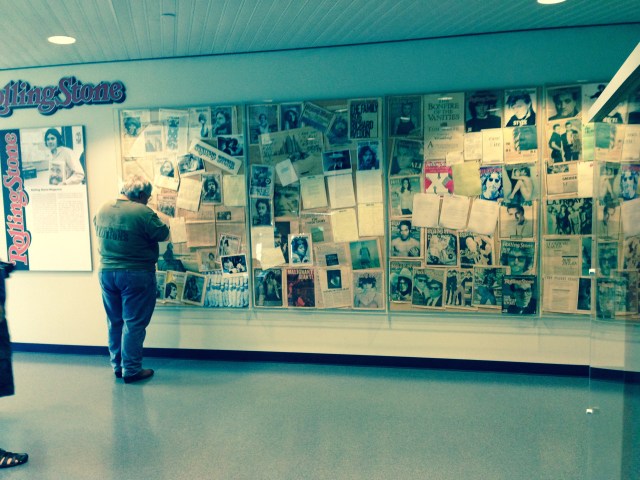
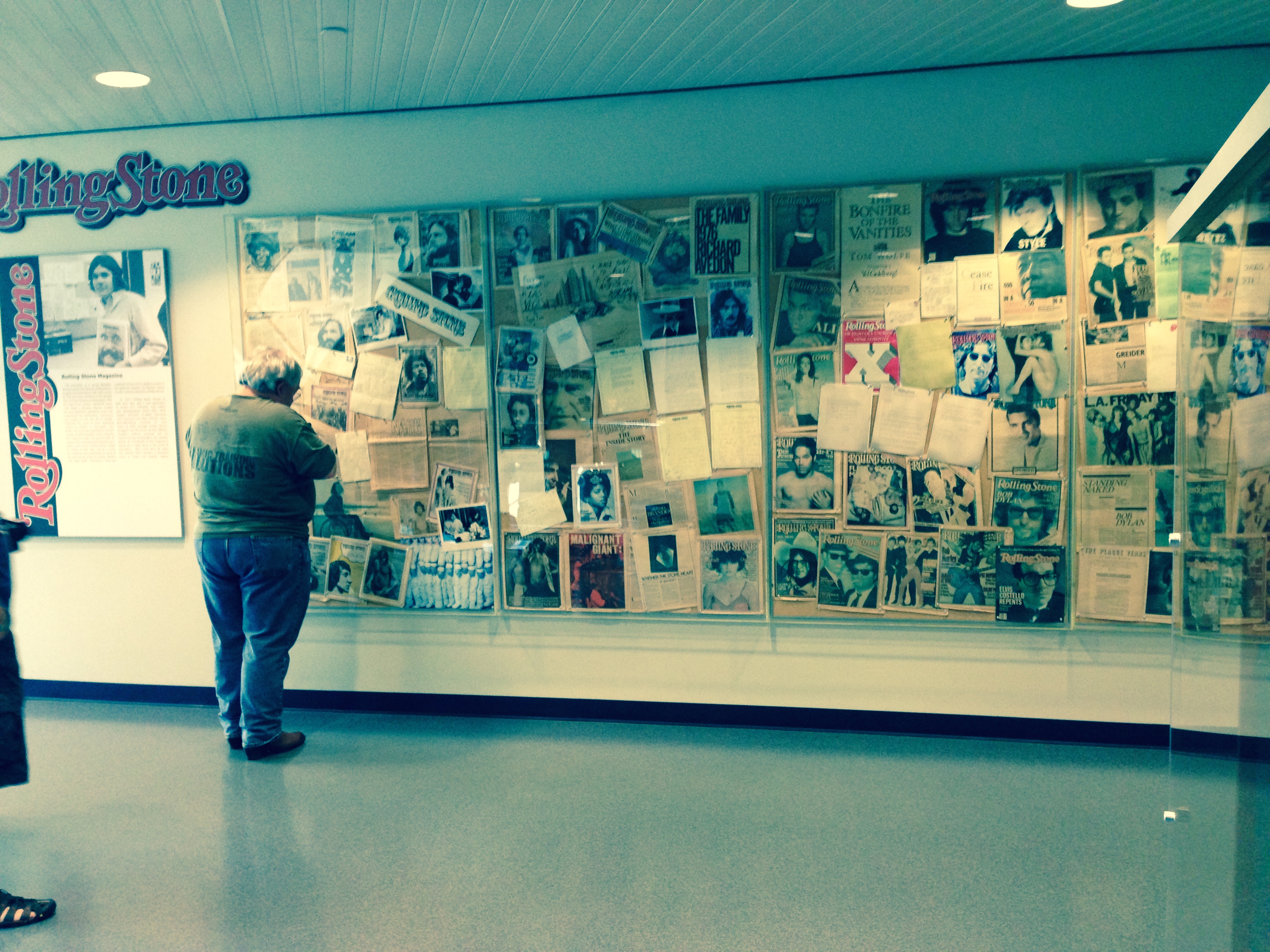
Exhibit of all Rolling Stone magazine covers.  Publisher Jann Wenner is Board Chair of the museum.

Exhibit of all Rolling Stone magazine covers. Publisher Jann Wenner is Board Chair of the museum.

Posted in Entrepreneurs & Entrepreneurism, Museums, Non-profits | Leave a comment

Maps #2

The first posting on paper maps (Maps, Paper) helped pique my interest in researching, at least a little, the paper map publishing industry.  As a map aficionado myself, I started by taking note of the publishers represented in my personal map inventory. There are at least two dozen of them, which I’ve listed in the following spreadsheet with comments, most gleaned from their websites.


I continued my research by searching for one or more complete as possible listings of English speaking paper map publishers. The best source for that that I could find was the International Map Industry Association (IMIA), with a membership list of approximately 370, mostly publishers.  (The association publishes some details on members but, unfortunately, the format is quite unwieldy, so I haven’t done anything with it yet).

The IMIA website helpfully has descriptions and links to 15 affiliated organizations.

If you need a map, large Internet retailers include Maps.com, Omnimap.com, and TrekTools.com.

When I began to think about writing this column, an op-ed piece in the New York Times  appeared propitiously and I learned of an excellent blog on maps, http://bigthink.com/blogs/strange-maps, which I heartily recommend for any map enthusiast.  There may be others.

Finally, I want to give some visibility to several of my favorite boutique publishers – to recognize them as examples of what is possible and also to introduce them to others who, perhaps, will send them some business so they can keep doing what they do so well!  Small, specialized publishers who have carved out a niche include:

Franko’s – appealing, highly informative maps.  Mostly recreational sites in California, Nevada, Hawaii, and the Caribbean.  Many are intended for divers or surfers.

Map Adventures – small selection of excellent maps of trails in New England and the Bay Area

MapEasy – especially the Guidemaps, not to scale but informative city and country maps with interesting sites noted & described.

Pease Press – small selection of undermapped Bay Area parks

Professor Pathfinder – detailed maps of college campuses & adjacent towns including Princeton & Stanford

Tom Harrison Maps – very well done maps, mainly of California parks and hiking areas, which include distances, topo information, etc.

While I’m not a paper map industry insider and privy to all its challenges, it’s clear the industry is still alive, notwithstanding the Internet.  It’s also apparent that the industry follows a pattern: entrepreneurs with a passion, talent, and hard work can start and build a decent business by following their star, just as those behind the above publishers are doing.

Posted in Entrepreneurs & Entrepreneurism | Leave a comment

Checklists – Due Diligence

A few years ago The New Yorker published an article extolling the virtues of checklists in a hospital setting.  Then, in 2011, the author enlarged his essay and published a book, The Checklist Manifesto, which has received laudatory reviews.

The idea of using checklists isn’t that earth shattering – checklists have been around for a long time because they work – by taking what can be a complex activity path and reducing it to bite-sized steps that, as part of a checklist, can’t be ignored.

For example, decades ago, when I was in the Navy, we had checklists for many evolutions (getting underway, anchoring, etc. including checklists of checklists*) –  since then I can’t imagine how a ship’s operations could be undertaken without checklists.  Similarly, I’m aware that even experienced aircraft pilots who know the material by heart won’t begin taxiing without having gone through a tangible checklist.  And, of course, only a fool would pack to go on a backpacking trip without the benefit of a checklist.

As one might expect, Googleing “checklist” will surface many, many checklists available online, most free.  However, few published checklists are perfect for a specific instance.  So, the user is advised to think through the process being modeled and customize any checklist template provided by a third party.

In the business environment, a prominent checklist type is the so-called “Due Diligence Checklist” used in business combinations, angel investments, etc.   Many of these are online and the reader can scout around for one that suits her needs – meaning one to serve as a starting point for one’s own due diligence checklist and process for the situation at hand.

A project I’m involved with now is tethered to a due diligence checklist.  An independent, consumer facing, single location asset manager in the East is considering investing in a presence in the Bay Area because of all the new money here.  I was asked to create a discussion framework to advance the evaluation process.  I took what I could find on the Internet, massaged it, tailored it a bit to the client’s business as I understand it, added to it, etc., and the result in barebones form is here.  Whether it is called a checklist or discussion framework, the purpose is the same: to have a written roadmap that will enable all the bases to be touched.

You’ll see this checklist emphasizes elements thought to be relevant to possible investments in a startup business development office – investments by either or both the investing “parent” as well as the downstream “worker.”  Some of it could easily be borrowed to begin to rough out a checklist for almost any remote startup sales oriented office.

*see, for example, Watch Officer’s Guide, 9th edition, copyright 1961, published by United States Naval Institute, p. 32.

Posted in Best Practices, Start-ups | Leave a comment

Maps, Paper

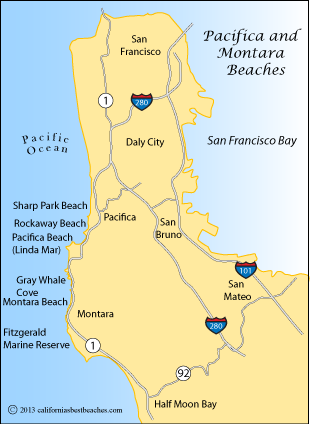
Yesterday morning, as a friend and I began a short walk from the Dolphin Club to Anderson Bakery at Fisherman’s Wharf for coffee, we were summoned by an attractive woman who, as the passenger in the front seat of a very large black SUV with darkly tinted windows (Secret Service came to mind) parked right in front of the Club, had rolled her window down. “How do we get to Route 1 heading south?” she inquired.

DC is well located.

DC is well located.

A simple question, tourists we assumed. My friend and I were both flummoxed – it was a new, shiny, impressive vehicle, her blond hair was long and handsome, and she was courteous with what seemed to be an Australian accent.  As there are many acceptable choices for driving from where we were, the northern edge of San Francisco,  to Route #1, we stumbled a little. “Get on 101, take it to 280 and pick up 1 in Pacifica” was the first idea. I thought “Take Hyde (10 footsteps away) 3 blocks, turn right, keep the Bay in sight and you’ll get there.” Eventually my friend & I settled on “There’s Hyde, take it about 15 blocks to Geary, turn right and go about 5 miles to where it ends at the ocean. Then turn left.”

The blond’s friend & driver piped up “What city should we put in the GPS?” After learning they were just going for a sightseeing drive, we easily reached consensus on the town of Montara, he punched it in, they seemed satisfied, and we parted.

Drawing of San Francisco peninsula.  (Montara is in the Southwest quadrant)

Drawing of San Francisco peninsula. (Montara is in the Southwest quadrant)

My friend & I walked on. We were both astonished the tourists chose to make themselves so dependent on a little computer/GPS screen. My friend, an editor who deals with authors and books that go on shelves, and I lamented that the world has become too dependent on gadgets – adding machines so ubiquitous they’ve neutered many people of the ability to do even the simplest arithmetic (retail staff, for example), along with all the devices accessing the Internet and simultaneously inflicting  pain on incumbent newspaper and book publishers, among others. And now GPS, having become available almost anywhere in just a few years, must be, I thought, making life very difficult for the old, honorable profession of map making (“cartography”) and publishers.

Well, I happen to like paper maps and can’t imagine traveling without them.  Maps enable one to “see” where one is in relation to the geography. Good maps offer a learning experience, by providing curated details of interest to their target audience, not a known function in Google Maps, at least not yet.

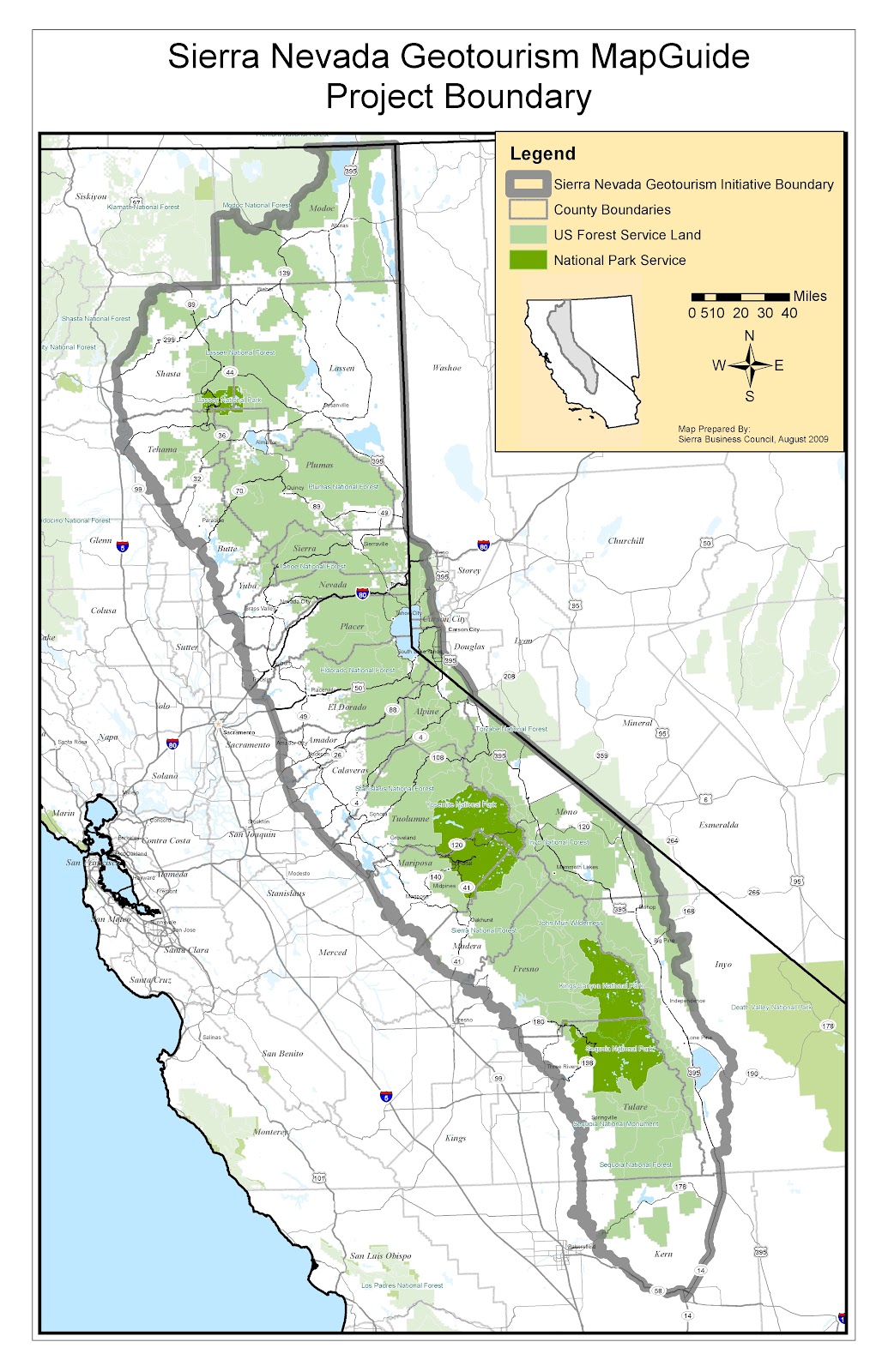
The Sierra Nevada is a mountain range in the western United States just to the east of  the Central Valley of California.  The vast majority of the range lies in the state of California.

The Sierra Nevada is a mountain range in the western United States just to the east of the Central Valley of California. The vast majority of the range lies in the state of California.

What a treat it is to just be sitting at home in the winter with an unfolded map of the Sierra Nevada plotting a future backpack.  (Try doing that on a screen!)  Putting their obvious utility aside, how can one not get pleasure from daydreaming with an open paper map of their next vacation (or day hike) destination?

The morning interchange and discussion piqued my curiosity about the map “industry,” so I decided to take a look at the publishers represented in my easily accessible map inventory.  My goal was to understand the map-making industry at least a bit and, possibly, discover good publishers as yet unknown to me and maps I need.

Results should be Coming Soon!  In the meantime, enjoy the irony of my using this publishing platform as well as this colorful & expressive map:

Maps can convey a lot at once and be fun at the same time!

Maps can convey a lot at once and be fun at the same time!

Posted in Best Practices, San Francisco | Leave a comment

Repotting

You know what this term means out in the garden…plant is growing, needs more space, gets repotted.  In its new location we anticipate the plant will thrive, and it normally does.

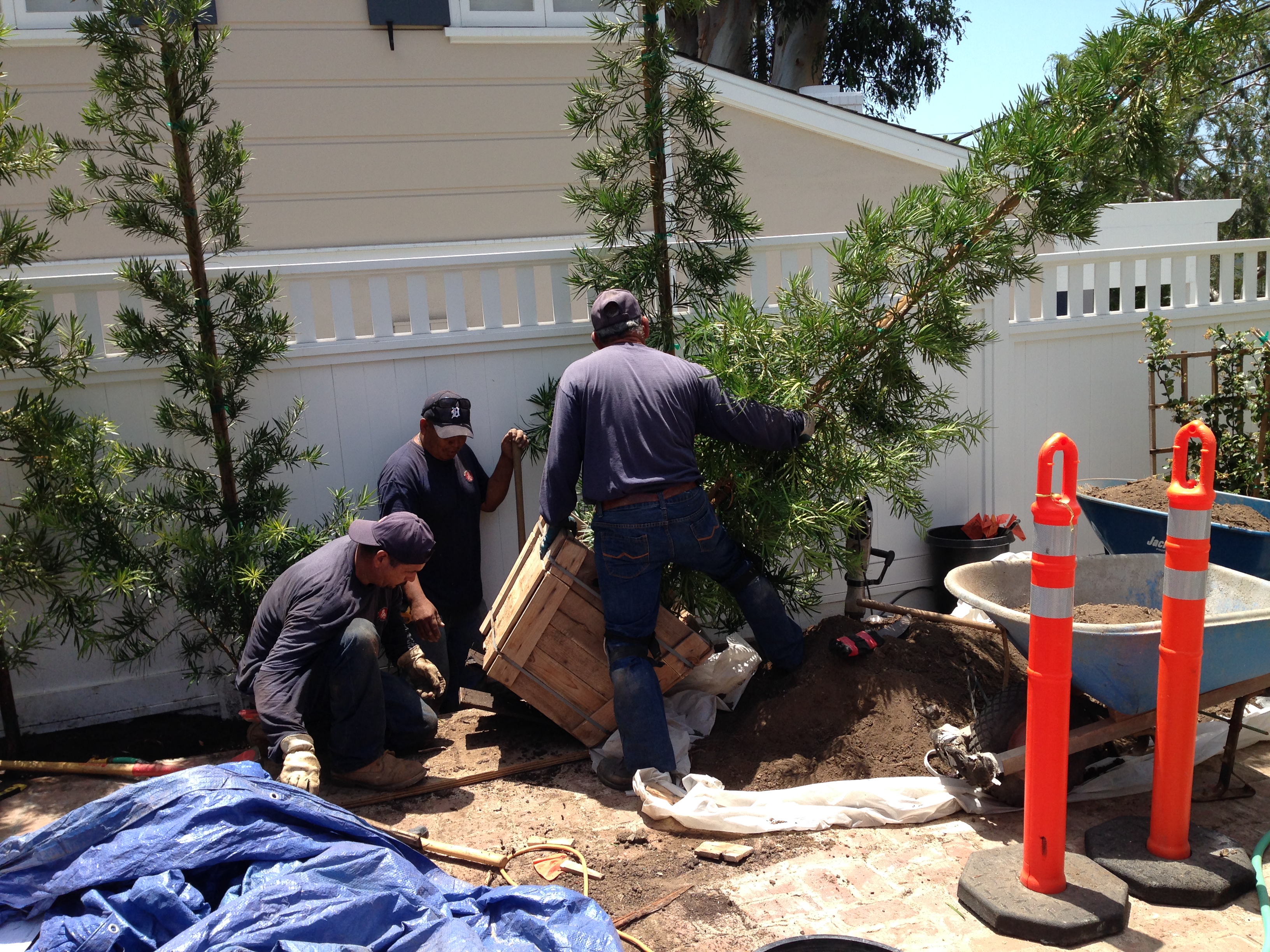
Over the past few weeks my spouse has been leading a major remodel of our garden in Laguna Beach; there is of course some repotting going on there:

Example of "repotting"

Example of “repotting”


The first time I heard the term “repotting” in a business context was around 1971 when I began at the Stanford Graduate School of Business. A former Dean and remarkable leader, Ernest Arbuckle, coined the term to describe his desire to have a significant variation in his career path every 10 or so years.

He was a businessperson in several industries. As Dean, he is widely credited with leading the ascendance of the Stanford GSB to the top rankings of business schools in the world. From 1978 to 1981 he was chairman of Wells Fargo, helping to put in place the culture that has fueled WF’s growth – from being one of many small regional banks to what is now the most valuable bank in the world.

His concept of repotting was a familiar idea around the business school back then.  It was an original and thought provoking statement in that day’s world of steady employment with one employer or in one industry.  Although I don’t recall thinking much about the term when in school or for years thereafter, the idea may have sunken in.  Or perhaps the world changed.  In any event, as things have unfolded, I’ve “repotted” more than once and feel I may once again be flirting with that phase. I fear not.

As I look around at the young entrepreneurs flooding San Francisco from all over the world, I do wonder how they’ll repot and how successful they’ll be at it.  (Not a question of if they will, IMO, they will).  Many, perhaps most, of these fortune seekers are trained in coding computers, a skill they’re using to make a good living.  However, for most, coding ability is an asset with a short half-life.  In the time they have with the high beta skill of coding in the rapidly changing environment of programming languages, and with new entrants (younger people) nipping at their heels, will they find the treasure they’re seeking?  What if they don’t?  Do they even know what treasure they’re seeking?

A recent article in a Stanford publication outlines how one of Dean Arbuckle’s mentees outlines his approach to repotting as a proactive career/life choice:

  1. Know when it’s time to change.
  2. Seek support and commit to a new direction.
  3. Embrace uncertainty and tune out the noise.
  4. Network broadly.
  5. Synthesize your experience to make a difference.

It’s a good article.  Inc. magazine also has a couple of articles on the subject, for example this one.

Finally, in a nod to the pertinence of the repotting concept in today’s world, the cover story of the June, 2014 Psychology Today is “Reinvent Yourself, how to plan your next act.”

Repotting is big and growing, so get used to it!

Posted in Best Practices | Leave a comment

SeniorsSay.com

Ten days ago I, along with 4 friends also on Medicare, visited a mutual friend many miles away who is seriously ill with cancer.  Confined to a bed and hardly able to talk, weighing 50 or so pounds less than his once very fit 165#, this mountain climbing buddy’s condition was far different from only 18 months ago.  Seeing this pal, a truly nice guy who never complains, in such very difficult straights was a reminder to me to get going on something I’ve thought & talked a little about for a year or so, a website that collects and makes available to others short essays from seniors on topics of their choice.

(This is a variation on a theme I’m familiar with, namely the reunion books that are often  created in conjunction with major reunions at places like Princeton, Yale, Stanford Business School, etc.  Generally, the books get thicker as the years go on, and my sense is the 50th reunion book is the class’s capstone book. That meshes well with the SeniorsSay concept.)

The primary catalyst for thinking about doing a Seniors Say type of thing was last summer at the Dolphin Club. Within a couple of weeks, two seniors I’d seen frequently in various roles over 20+ years but didn’t really know, passed away. Through Club remembrances and their obituaries I learned both women had very interesting lives and had spend their days, until their premature deaths, living, as Frank Sinatra sang, “my way.”

If only I’d have said “hello” to each some day over the decades…and known them even just a little.

If only there was an outlet for such interesting people to say whatever they wanted to, if anything.

Another nudge was a relative I hardly knew who also passed away fairly suddenly last year – only after that did I learn of her large footprint in the LA Jazz scene and to appreciate her lifelong interest in manhole covers, a subject on which she and her husband published a definitive book.  What might she have wanted to express?

Well, the final nail in the coffin was this morning, when I received an email from my class at Princeton that a classmate, clubmate*, and friend had just passed away. Once more I was hit with how I and my peer group are “in the zone.”  Admittedly somewhat selfishly, I’d like to hear what friends and others have to say before it’s too late.

Hence, I resolve to launch SeniorsSay.com by July 31. I don’t have a business plan and it will take some time to get it going as a business, if ever.  In any event, my gut tells me just my own network could yield interesting and potentially important messages for younger readers.

This is a start-up but the business plan is non-existent. Monetization is unclear, although there are paths to some revenue, provided content is good (which is what I expect). I haven’t done a “competitive analysis” but another clubmate, one active in social work, told me about Cornell’s Legacy Project. In the case of SeniorsSay, things will evolve.

If you’re a senior and have something you’d like to express through SeniorsSay.com, feel free to start writing or to let me know.  The ground rules are expected to be pretty simple – a preferred length of 1000 or fewer words, for example.  Of course, terms of use will need to be established.

Anyway, I wanted to let you know…


*the club was Cannon Club, one of the earliest of Princeton’s eating clubs. While we were there it was an amazingly diverse collection of characters too difficult to explain properly in the time I have (today). For a fond portrait of how things were when we were there, I suggest another friend’s recently published ebook,
The Thinking Man’s Animal House: Benghauser Remembers F’Boy.

Posted in Start-ups | Leave a comment

Web Developer Opportunities

Over the last several years I’ve acquired* a number of domain names – some were acquired for speculative purposes, while others were acquired because each seemed to be well suited for building a business that I’d probably find interesting.

I’m looking for help to develop several sites – life is short and my skills lie in areas other than the nitty gritty of coding**.  Following are examples of names I control that I’m interested in developing with one or more partners (who would handle the technical side):

BuyAm.com – envisioned to be a platform enabling improved access to and better distribution of goods made by carefully selected American manufacturers.   Although there are a number of sites that purport to sell American-made goods, none appear to dig much into the origins of the products’ components, a service consumers may value. Plus the UIs of current participants are generally pathetic.

KenyaJobs.com – self explanatory.  With content, this site will rank very high in relevant searches and should become a good business.

RetiringSoon.com – a statement name with good monetization prospects with vendors & service providers who target the demographic described.

SeniorsSay.com – my hunch is that a good number of seniors have important or interesting things to express that the world could find of value. I’m certainly interested in querying my peer group and hearing from them in a systematic way.  Before it’s too late.

This site would be a curated content site monetized by advertising and content repackaging.

TermsTracker.com – a subscription based service that would track and alert customers to changes in the Terms of Service and Privacy Terms of various websites. Think of this as a service that provides redlines of the web-domiciled contracts that almost nobody reads (except the provider’s lawyers). It could also “score” such contracts on user friendliness. Another idea is for the business to develop and offer standardized contracts such as those found in the residential real estate industry, and which would be a better, more predicable deal for the consumer.

There have been what appear to be half-hearted attempts to provide the types of services described, so the idea is out there, but it hasn’t yet been executed very well.

500 Jobs – is the working name for a location based job board business to be built using over 250 dot-com domains I control, each of which begins with a telephone area code, for example 415jobs.com.  With 90% of the U.S. and Canadian area codes in such a format, 500jobs has the raw material to become a distinctive, geography-based advertising network for employers of all sizes. And one whose individual job board sites are easily remembered by both consumers and job posters.

It is an excellent time to develop the 500jobs portfolio of names.  Not only is the web classified’s job board segment continuing to grow, the genre’s gorilla, CraigsList, with over $100 million in annual job posting revenues, is of somewhat limited functionality and has an antique UI.  Nonetheless, it is said to have a profit margin of 80%.

500jobs will be scalable because content of value to job seekers can be reused across the chain of boards. It is likely that 500jobs would engage entrepreneurs sited in the local markets to assist in building the business.

If any of the above business opportunities interest you, and you’re a smart, energetic tech person who can work independently, please reach out to me with some info on yourself.


* “acquired” is loose language. One doesn’t own a domain name, one registers it for a finite period of time, during which the name may be used in accordance with various protocols, and, assuming good behavior, one gains the opportunity to renew/extend the registration. If the registrant doesn’t renew and make the required payment, the domain name is lost and, in all likelihood, enters an auction process in which anyone can acquire it.

**my skills & interests are more in the realms of business: positioning, financing, marketing, branding, contracts and other legal, etc.


Posted in Domain Names, Start-ups | Leave a comment

Resources for Start-ups & their Entrepreneurs

This posting is for both of us, you and me.  Over the years I’ve assembled a good number of resources relating to startups & entrepreneurism.  For the (possible) benefit to you and others including myself, it seems sensible to collect/aggregate links to these resources and put them in one spot, here. (Please be aware that, since my resources are housed in Explorer, G2Reader, scratchpads, etc., and good resources surface over time, this post will be subject to revision for a while until it’s given its own page on this site.)

So here goes:

Sample/model/form documents as suggested by several law firms and a venture capitalists’ trade organization:

SeriesSeed.com – by Fenwick & West.  Start-up documents periodically revised with crowdsourced comments.

Startup Percolator – by Perkins Coie law firm.  Start-up and financing documents by the large law firm I’ve used for many years.

Start-Up To0l Kit – by Orrick law firm.  Term Sheet Creator & start-up forms library.

NAVC – National Association of Venture Capital – this link to “model” documents, consider the source.  The NVCA site has a lot of information of value to entrepreneurs who may seek venture capital.

“How to” and/or best practices ideas:

Sales Guide by Batchbook.com – Sales pipelines, strategies, metrics … This guide is intended to enable adoption of big sales concepts in a small, friendly way.

Stanford’s Center for Entrepreneurial Studies resource page.  An excellent collection of links on entrepreneurship, startups, etc.

UC Berkeley Startup Competition’s Launch resources page – Another excellent assemblage of links to articles on business plans, pitching VCs, etc. along with links to presentations and collateral from 3 years’ of its Entrepreneurial Best Practices series.

YCombinator Startup Library – an extensive compendium of relevant articles, blogs, etc.

Interesting service providers:

Foundersuite – “Streamline startup operations…Foundersuite is bringing structure to the messy job of starting a company via a curated set of spreadsheets and templates designed to help you get off the ground faster and easier.”

Gust.com – “Gust connects startups with the largest collection of investors across the world.”

Insightly – A young, VC backed company which asserts it is “…the #1 Online Small Business CRM & Project Management software company used by over 500,000 people worldwide.”  I am trying it, when time permits – so far, so good.

LaunchRock – a startup helping firms setup a viral “launching soon” page.

LivePlan – “Write your plan with the #1 business planning company.”


Recent data on venture capital activity:

Venture-Capital – San Jose Mercury News – MercuryNews.com – The latest news about startups and venture capital funding in Silicon Valley, from the San Jose Mercury News.  Quarterly summary reports on Bay Area fundings.


Support Organizations – National*

*(thanks to the Ohio Venture Association, which offers a more extensive list of resources tailored for Ohio startups)

Selected Thought Leaders*

*(per the Angel Capital Association, to which I express appreciation)


Posted in Best Practices, Start-ups | Leave a comment